Oncology massage plays a vital role in supporting people through and beyond cancer treatment. Recovery can be complex, emotional, and often prolonged but with the right support, that journey can feel safer, calmer, and more manageable.
At the heart of every session is the client’s wellbeing. In oncology massage, this means working with heightened sensitivity, clinical awareness, and deep respect for each individual’s experience.
As a holistic practitioner, I believe healing is not just physical, it involves the nervous system, emotional state, and sense of safety. Oncology massage rehabilitation offers a unique space where all of these elements can be supported together.
Cancer Recovery in Context
According to the NHS, 1 in 2 people in the UK will be diagnosed with cancer in their lifetime. While this statistic is striking, it also reflects improved detection and longer survival rates.
1 in 2 people
will get cancer in their lifetime
Modern medicine continues to advance, and more people are living well beyond cancer. This makes rehabilitation and supportive therapies like oncology massage more important than ever.
Oncology massage rehabilitation is a specialised approach tailored to individuals who are undergoing or recovering from cancer treatment.
It involves:
- Adapting pressure, positioning, and techniques
- Working alongside medical teams where appropriate
- Responding to fatigue, pain, and treatment side effects
- Creating a safe and supportive therapeutic environment
Sessions may be shorter during active treatment often around 20 minutes but always depend on the client’s current health status and needs.
There is a long-standing myth that massage can spread cancer. This is not supported by current evidence.
When performed by a trained therapist using appropriate modifications, oncology massage is considered safe even for clients with advanced cancer.

The key lies in:
- Clinical reasoning
- Understanding treatment timelines (e.g. chemotherapy, radiotherapy, surgery)
- Adjusting techniques to avoid placing stress on the body
Massage should always be adapted not avoided
Cancer recovery is not just physical. Many clients experience ongoing anxiety, uncertainty, and emotional fatigue.
Oncology massage can support psychological wellbeing by:
- Promoting relaxation
- Reducing stress and anxiety
- Improving sleep quality
- Supporting emotional processing
From a physiological perspective, massage stimulates the parasympathetic nervous system via the vagus nerve. This helps regulate heart rate, breathing, and overall stress response, allowing the body to shift into a calmer, restorative state.
Although everyone is individual and will respond differently, there is no doubt that recovering from cancer will be an anxiety-provoking time and the aftermath will leave a residue of stress.
Massage therapy has been proven to stimulate the vagus nerve and activate our parasympathetic nervous system, slowing down the heart rate and breathing (respirations), making us feel calmer. Helping your clients to alleviate that stress and anxiety can take them one step closer to feeling themselves again.

The role of massage in lymphatic flow is often debated, but current understanding suggests that gentle, appropriate techniques can support fluid movement without increasing risk.
When applied correctly, massage may:
- Help reduce congestion
- Support fluid balance
- Ease discomfort associated with swelling
It’s important to emphasise that this is not about “moving cancer cells,” but about supporting the body’s natural processes safely.
Radiotherapy is highly effective but can leave lasting effects on tissues, including:
- Fibrosis (tissue stiffness)
- Reduced circulation
- Sensitivity or discomfort
Oncology massage can help by:
- Supporting gentle mobility
- Reducing tissue tension
- Encouraging circulation
- Enhancing overall comfort
Incorporating passive movement during treatment can also reduce pressure within affected tissues.
Post-surgical recovery varies widely, but common challenges include:
- Swelling
- Restricted movement
- Scar tissue formation
- Local discomfort
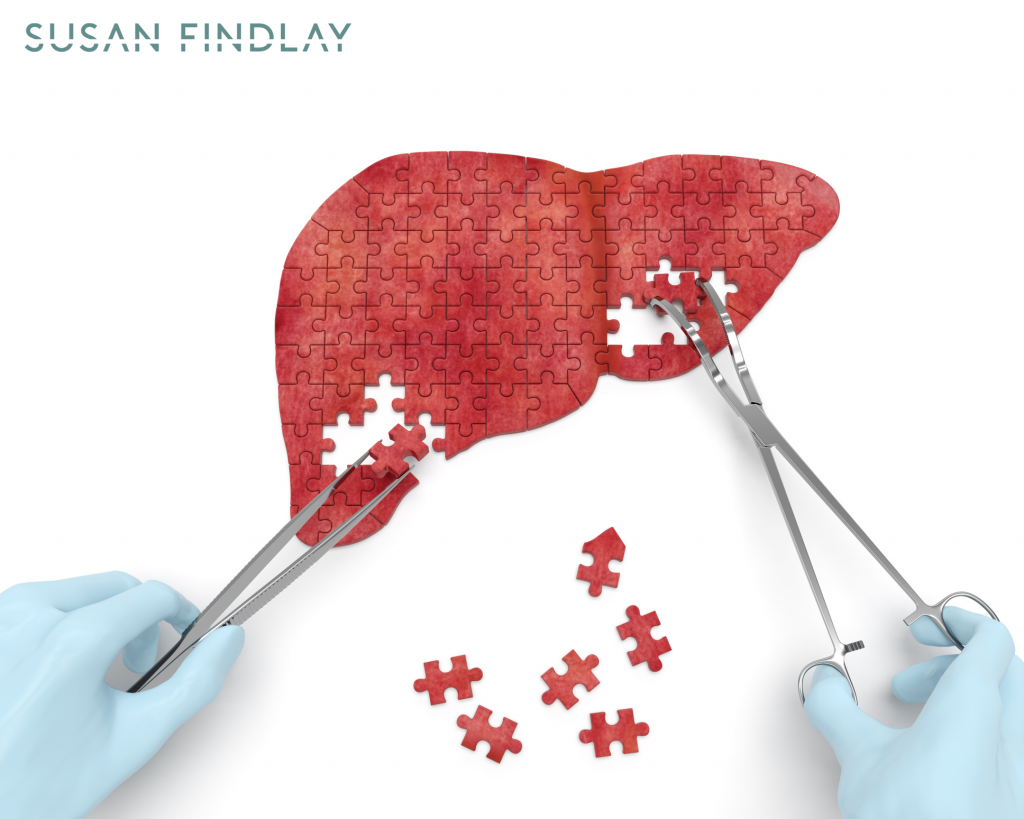
Oncology massage may support recovery by:
- Encouraging local circulation
- Assisting lymphatic flow
- Reducing stiffness
- Supporting tissue health
All techniques must be adapted to respect healing timelines and medical guidance.
One of the most powerful aspects of oncology massage is not just the technique but being present.
Clients often need:
- To feel heard
- To feel safe
- To be met without judgement
This is where mindful touch and active listening become central. The therapeutic relationship itself can be deeply restorative.
Cancer is no longer a barrier to massage when it is practised safely and with the right knowledge.
Oncology massage offers both physical and psychological support, helping clients reconnect with their bodies during a time that can feel uncertain and overwhelming.
For therapists, it is a privilege to be part of that journey.
If you’d like to deepen your understanding and clinical skills, explore my oncology massage courses available both online and in person.
You can also read more of my articles on oncology massage and rehabilitation to continue your learning.