The Importance of Choosing the Right Training
Massage therapists invest significant time, effort, and passion in gaining recognised, high-quality qualifications. However, not all training provides the depth or clinical understanding required for safe and effective practice. In an unregulated profession, the responsibility for choosing high-quality education sits firmly with the therapist.
- There is a growing demand for oncology massage training, as more therapists recognise the need to work safely and confidently with clients affected by cancer. However, not all courses provide the depth, clinical understanding, or practical skills required to support these clients appropriately. Choosing the right training is not simply about gaining a certificate; it is about developing the competence and confidence to work safely, ethically, and effectively.
Why the Quality of Training Matters
Working with clients who have a history of cancer requires more than adapting techniques. It involves:
- understanding the impact of cancer and its treatments
- recognising contraindications and potential risks
- making appropriate clinical decisions
- creating a safe and supportive environment

Without this depth of training, therapists may feel uncertain or unintentionally place clients at risk.
What to look for in Oncology Massage Training
A high-quality course should include:
- A clear understanding of cancer and its treatments
- Guidance on contraindications and safe adaptations
- Development of clinical reasoning, not just techniques
- Opportunities for practical application
Support in building confidence when working with real clients
Questions to Ask Before You Book
Before committing to a course, it can be helpful to ask:
- What level of experience is required before attending?
- How is safety addressed within the training?
- Is the focus on protocols, or on developing clinical thinking?
- Will I feel confident working with real clients afterwards?
These questions help ensure the training meets professional standards, not just expectations.
Developing Real Confidence, Not Just Attendance
Attending a course is only one part of the process. What matters is whether the training enables you to:
- understand your client’s needs
- adapt safely and appropriately
- feel confident in your decisions
- communicate clearly and professionally
This level of competence cannot be developed through surface-level learning.
A Professional Responsibility
As therapists, we hold a responsibility to the people we work with.
Clients affected by cancer are often navigating complex physical and emotional challenges. They need therapists who are not only compassionate, but also properly trained.
Working with clients affected by cancer requires more than technique. It requires understanding, adaptability, and the ability to make safe, informed decisions in complex situations.
Choosing high-quality education is an essential part of that responsibility.
Considering Your Next Step
If you are exploring oncology massage training, take the time to find a course that aligns with safe practice, clinical understanding, and your long-term development as a therapist.
The right training should leave you feeling not just informed, but prepared.
About Susan
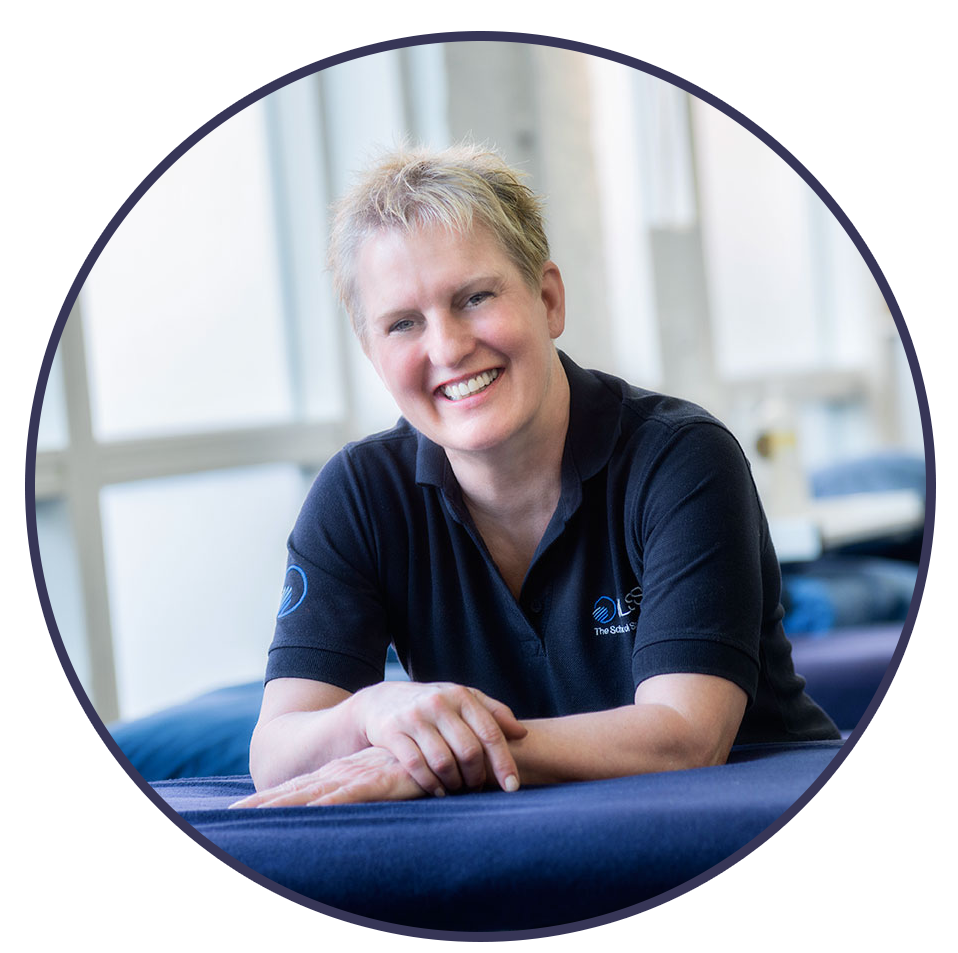
I teach massage therapists how to work with confidence, sensitivity and skill so they can build long-lasting, pain-free careers. My courses are designed for qualified massage and soft tissue therapists who want practical, immediately usable training, whether that’s in oncology massage, advanced techniques, or developing a more body-centred approach to treatment.
I qualified in 1996 and now work as Director and Senior Lecturer at NLSSM, alongside running clinics in North London and Wales. I also specialise in oncology massage and am the author of Sports Massage: A Hands-On Guide for Therapists.