Understanding how massage is adapted for people affected by cancer
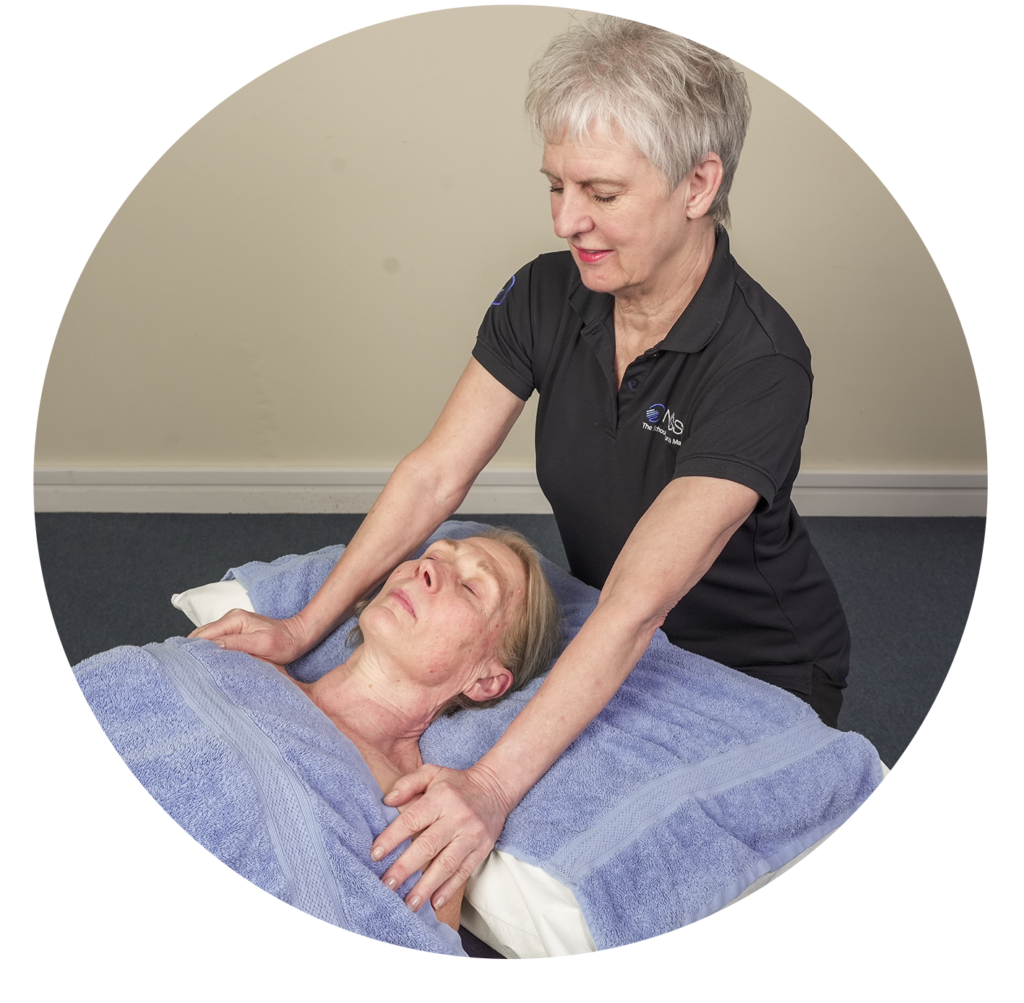
Oncology massage is a specialised approach to massage therapy that is adapted to meet the needs of people affected by cancer.
It is not a separate set of techniques.
It is a way of thinking, assessing, and responding to the individual, taking into account their diagnosis, treatment, side effects, and overall health.
The aim is to provide massage that is safe, appropriate, and supportive, rather than routine or standardised.
Why Oncology Massage is Different
Cancer and its treatments can affect the body in complex and changing ways.
These may include:
Fatigue
Pain
Skin sensitivity
Reduced immunity
Increased risk of complications such as lymphoedema
Because of this, massage cannot be applied in the usual way without careful consideration.
Oncology massage recognises that:
Every person’s experience of cancer is different
The same condition can present differently in each individual
What is appropriate may change over time
Rather than following fixed routines, the therapist learns how to adapt their work safely and thoughtfully.
Yes… when carried out by a therapist with appropriate training.
Cancer is not, in itself, a contraindication to massage. However, treatment must be adapted to reflect the individual’s condition, treatment, and current health.
This may involve:
Adjusting pressure
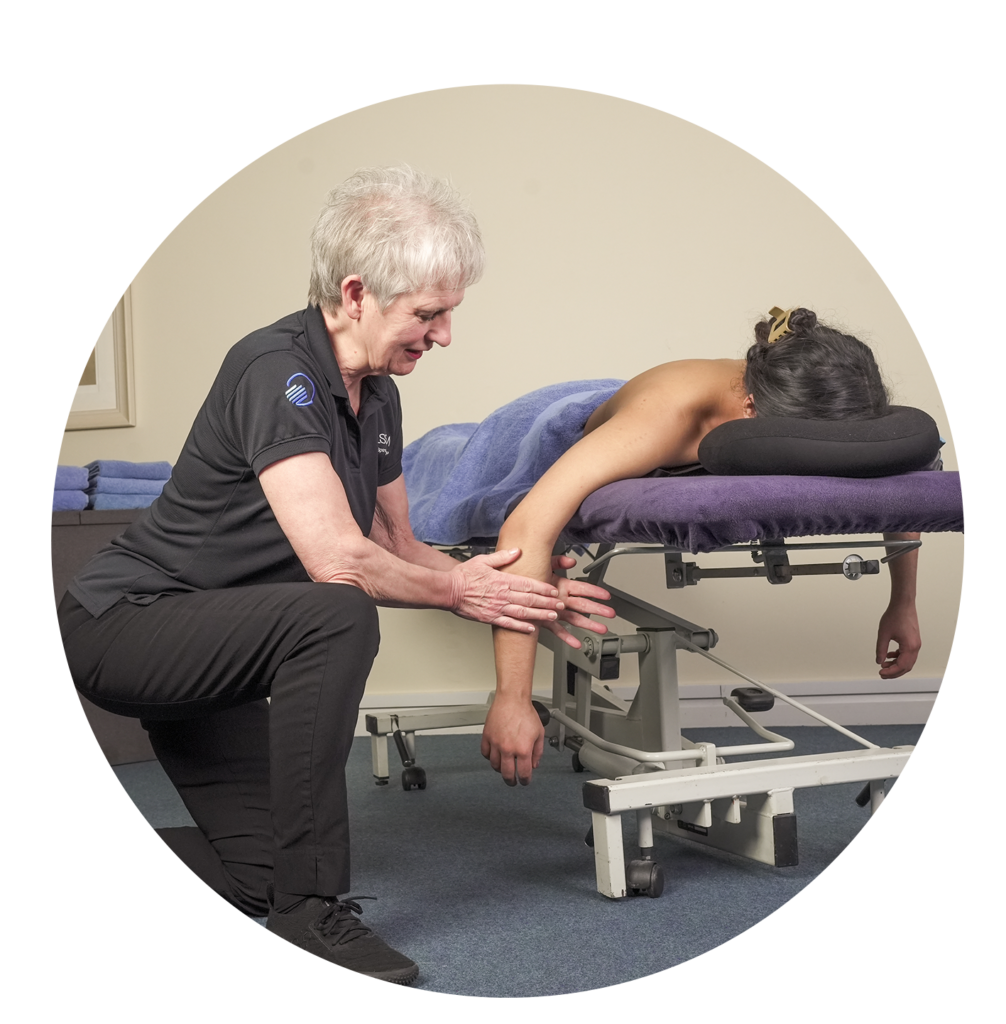
Modifying positioning
Changing treatment goals
Being aware of specific risks
Oncology Massage is not about doing less, it is about doing what is appropriate for that person at that time.
Who is Oncology Massage For?
Oncology massage may be suitable for people:
During cancer treatment (such as chemotherapy or radiotherapy)
After treatment, during recovery or rehabilitation
Living with or beyond cancer
Receiving palliative or end-of-life care
Each person is assessed individually to determine what is safe, appropriate, and beneficial.
What Does Oncology Massage Take Into Account?
A trained therapist will consider:
The type and stage of cancer
Medical treatments and their effects
Side effects such as fatigue, nausea, or pain
Medications
Emotional and psychological wellbeing
This allows the treatment to be adapted in a way that supports the person as a whole.
The Aim of Oncology Massage
The aim is not to treat cancer itself.
Instead, oncology massage focuses on supporting the person by:
Reducing discomfort where appropriate
Supporting relaxation
Improving quality of life
Providing safe, therapeutic touch
At its core, it is about working with care, awareness, and understanding.
Common Misconceptions About Oncology Massage
“Massage is unsafe for people with cancer” This is not true when treatment is adapted appropriately. Avoiding massage altogether can mean that people miss out on the benefits of safe, supportive touch.
“You need completely different techniques” Oncology massage is not about learning a whole new set of techniques. It is about adapting your existing skills to suit the individual.
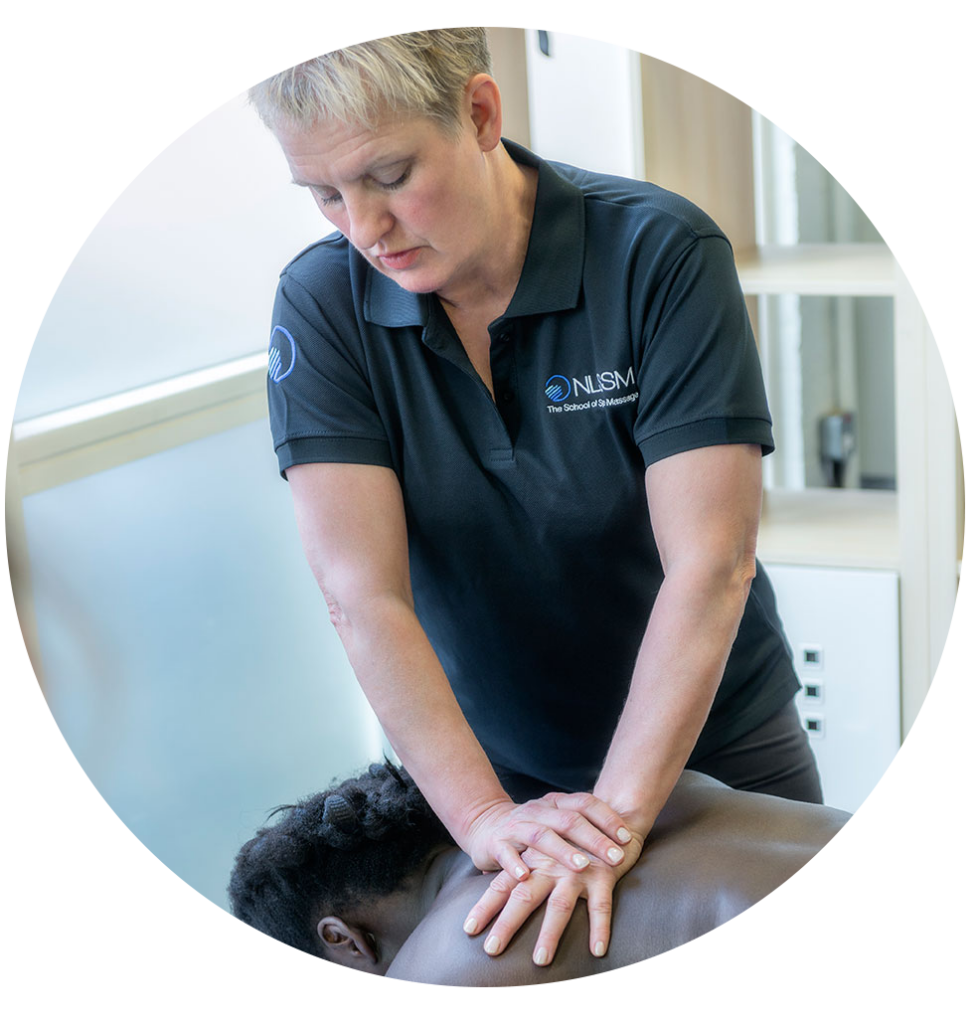
“It’s just about being gentle” While treatment is often adapted, oncology massage is not simply “light massage. On this course, you will learn how to apply mindful touch — an approach that responds to the individual and their current condition. It is about making informed, appropriate decisions rather than simply reducing pressure
Training in Oncology Massage
Because of the complexity involved, oncology massage requires specialist training. Therapists need to understand:
Cancer and how it develops
Medical treatments and their effects
How to adapt massage safely
When treatment is appropriate, modified, or not indicated